Navigating the future of polar maritime operations with real-time ice intelligence, machine learning risk assessment, and live vessel tracking.
Charting the unknown waters of climate change with precision, intelligence, and innovation
Machine learning models that forecast ice hazards and route risks with unprecedented accuracy, powered by real-time satellite imagery and historical maritime data.
Live vessel tracking across 25+ ice-capable ships, continuous AIS monitoring, and WebSocket-powered updates for mission-critical navigation decisions.
Building tools for a changing planet - from Northwest Passage analysis to Antarctic expedition planning, we map the future of polar navigation.
Our operational prototype platform predicts ice hazards and assesses route risk for vessels navigating polar waters. Combining NSIDC satellite data, live AIS tracking, and PyTorch neural networks, Arctic Risk AI delivers actionable intelligence in under 2 seconds.
Enterprise-grade infrastructure powering polar predictions
Deep learning models for ice hazard prediction and risk scoring
Real-time ice concentration from polar-orbiting satellites
WebSocket streaming of vessel positions and telemetry
Geographic queries and route analysis at scale
≥65°N
Bering Strait, Northwest Passage, Barents Sea, Greenland waters
≤-50°S
Ross Sea, Weddell Sea, Drake Passage, Southern Ocean routes
Applying advanced data science to protect fragile polar habitats, support safer voyages, and inform international climate resilience efforts.
We fuse satellite ice data, vessel telemetry, and ecological overlays to pinpoint stress on marine mammal corridors and sea ice breeding grounds before it becomes critical.
Route risk models are tuned to highlight areas where emissions reductions, slow steaming, or rerouting can mitigate black carbon deposition and ice edge disruption.
Operational dashboards export curated data packs that help NGOs and regulators track habitat vulnerability, ice loss, and vessel compliance in near real time.
Field testing and knowledge exchange with polar science leaders ensures Blaeu Labs stays grounded in the realities of high-latitude operations.
Collaborative exchanges with SPRI climatologists inform how we contextualize historical ice charts and calibrate new tidal sensor deployments along key straits.
Expedition leaders share vessel telemetry and guest science observations that we incorporate into reinforcement learning simulations for autonomous ice routing.
We support Indigenous and university-led cruises with tailored risk summaries, focusing on subsistence zones and habitat buffers identified by local knowledge holders.
We combine ship time, sensor payloads, and partner insights to protect polar ecosystems while keeping maritime operations efficient and safe.
We direct expedition budgets, compute, and analyst hours toward environmental baselines so Arctic conservation decisions rely on fresh, trustworthy evidence.
Hull-mounted sensors, weather buoys, and AIS data streams feed models that coach crews on fuel burn, routing, and safe speed so ice-class ships run efficiently.
We track Arctic habitats with thermal cameras, acoustic sensors, and Indigenous stewardship data to flag disturbances before they impact wildlife or communities.
Blaeu Labs was founded by ocean technology enthusiast Daniel Schwartz to translate polar science into practical decision support.
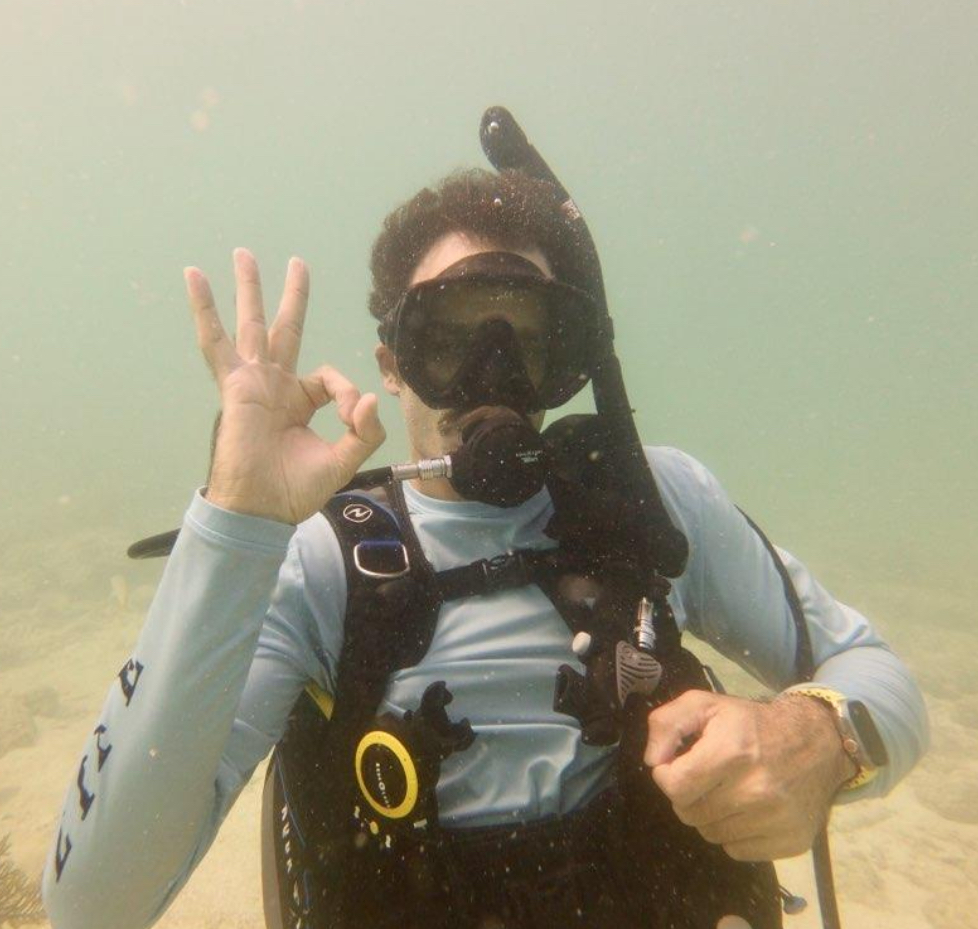
Daniel Schwartz is a systems engineer and ocean technology enthusiast who took it upon himself to uncover the mysteries of Arctic ice. A passionate diver, he applies his deep appreciation for the ocean to building systems that help navigate and protect the polar regions.
After graduating, he set out to blend fieldwork with software so polar crews could act on trustworthy data without waiting for seasonal reports. He founded Blaeu Labs to accelerate trustworthy ocean intelligence—fusing machine learning, maritime operations, and environmental stewardship so that innovation and habitat protection advance together.
Experience Arctic Risk AI's live platform with real-time ice data and vessel tracking.
Launch Platform